— Experience
Hack the 6ix
Sponsorships, workshops, and floor work for Toronto’s biggest student hackathon
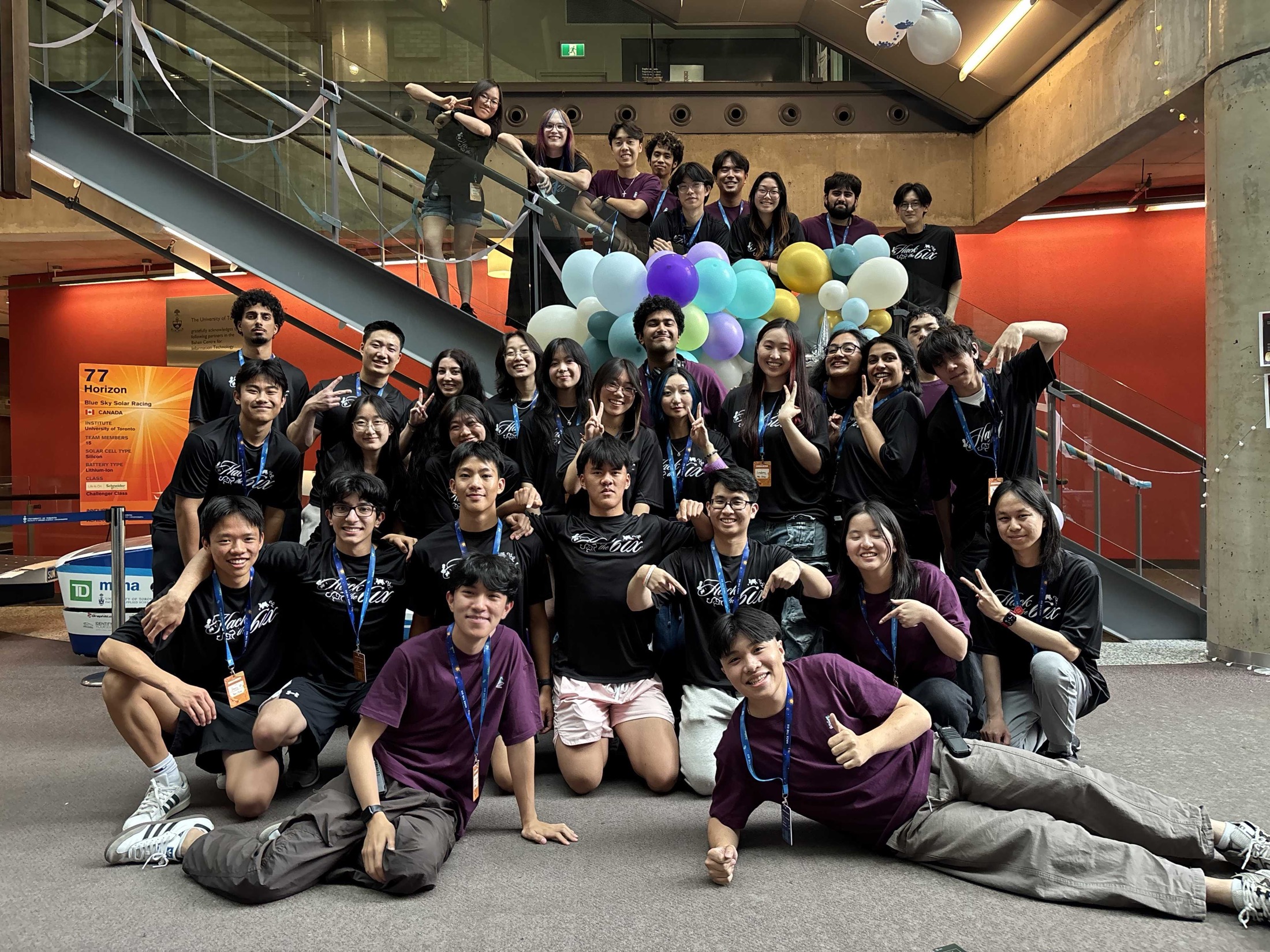
Highlights
- Ran sponsorship outreach months before the June weekend with cold emails, decks, and follow-ups that did not wait for warm intros
- Closed Base44 as title sponsor after rounds on booth presence, branding, and what a title package should feel like on site
- Worked directly with FDM, Next Canada, and other partners on packages that matched different budgets and goals
- Lined up sponsor workshops and handled the on-site grind: check-in, booth setup, room swaps, and walking the floor when something broke
How I landed here
Hack the 6ix is Toronto’s biggest student hackathon. I came in on business development for the June 2026 weekend, which in practice meant sponsorships: find partners early, pitch something they would actually buy, then make sure the weekend did not embarrass the relationship we just sold.
I already knew the builder side of hackathons from CxC. HT6 asked for the other half. Talking to companies before the venue is decorated. Translating “we want brand presence” into a booth, a workshop slot, and a package that does not fall apart under a real budget conversation.
The work before the weekend
Outreach that starts too early on purpose
Sponsorship outreach started months out. Cold emails. Decks. Follow-ups while most people still thought of June as “later.” That timeline matters. If you wait until the event feels close, the good partners already spent their student-marketing budget somewhere else.
A lot of the job was repetition with taste. Same story, rewritten for a title sponsor versus a smaller booth. Same weekend, different reasons to care. I got better at noticing when a reply was a soft no disguised as “circle back,” and when it was a real maybe that needed one more specific ask.
Closing Base44
Base44 came on as title sponsor. That did not happen in one heroic email. It took a few rounds on booth presence, branding, and what a title package should feel like when someone walks into the venue: visible without being loud in a way that crowds out the builders.
I cared about that detail because I have been the person on the floor when a “title” logo is everywhere and the actual experience for students is worse. The package had to look strong in a deck and still feel good at check-in.
Fitting different partners
Not every company wants the same thing. FDM, Next Canada, and other partners needed packages that matched different budgets and goals: hiring signal, product awareness, workshop time with builders. I worked those conversations directly instead of forcing everyone through one rigid tier and hoping it stuck.
On site
Closing a sponsor is not the end of business development. It is the start of the part where you can still lose the relationship in public.
I lined up sponsor workshops and then lived in the on-site grind: check-in lines, booth setup, room swaps when AV failed, walking the floor when a partner could not find power or a workshop host was late. That work is unglamorous. It is also how you prove the pitch was not fiction.
When something broke, I would rather be the person who already knows the room layout than the person refreshing Slack from a quiet corner. Sponsors remember the weekend they were taken care of. Students remember whether the floor still worked while they were trying to ship.
What shifted for me
HT6 pulled me out of “I can run the builder room” and into “I can sell the room, then protect what I sold.” Cold outreach, package design, title negotiation, and the Saturday logistics loop are the same job at different zoom levels.
I left that weekend more comfortable starting conversations with companies I did not already know, and more stubborn about follow-through after the contract. A sponsorship that looks good in a spreadsheet and feels bad on the floor is not a win. I want both.