— Experience
UofT Engineering Outreach
Residence life for 200+ DEEP summer engineering students
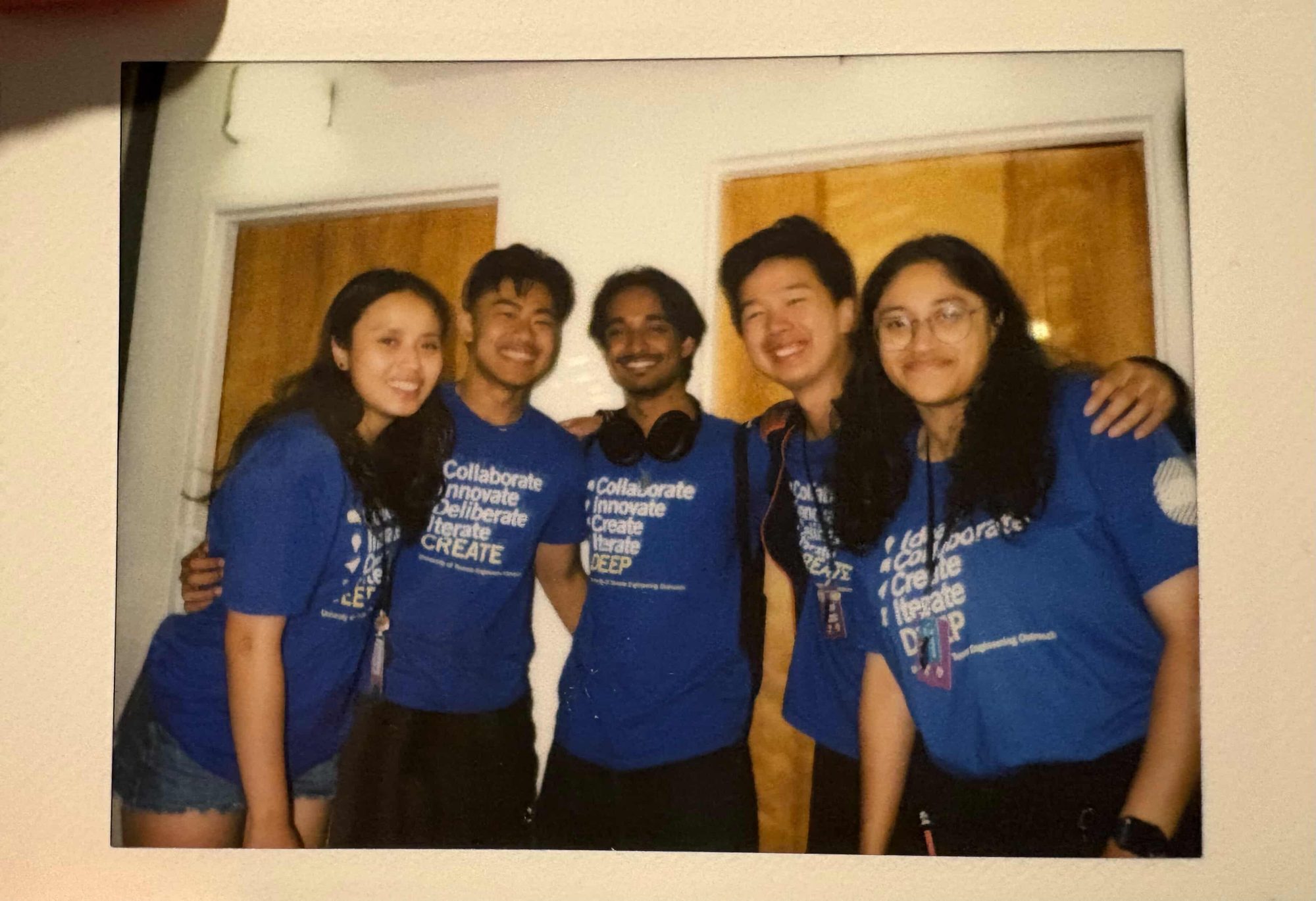
Highlights
- Looked after safety and security for 200+ students living on campus for DEEP Summer Engineering School.
- Held the on-call phone for crisis response and day-to-day residence issues that don’t wait for office hours.
- Built trust with a mixed cohort of engineering students and held the line on conduct without making the floor feel cold.
- Ran the soft side of the job too: outings, floor energy, and making sure people had someone to talk to.
Context
UofT Engineering Outreach runs DEEP Summer Engineering School: high-school students living on campus for a few weeks of engineering classes, labs, and city life. I was a residence counsellor for the summer: safety, nights on call, and the quieter work of making a floor of strangers feel like a place people actually wanted to come back to.
Two hundred-plus students on campus. Office hours don’t cover everything that happens after dinner.
What the job was
Safety and security
Day to day, a lot of the role was looking after safety and security for the residence. That meant knowing who was on the floor, noticing when something felt off, and staying visible enough that students knew who to find if they needed help.
On call
I held the on-call phone for crisis response and the ordinary residence issues that don’t wait for a morning meeting: lockouts, conflict, someone who’s having a rough night. The work was less about drama and more about being reachable, calm, and clear when the building was quiet and something still needed a decision.
Conduct and trust
The cohort was mixed: different ages, hometowns, and comfort levels with living away from home. Part of the job was building enough trust that people would talk to you early, and still holding the line on conduct when it mattered, without turning the floor into a place that felt cold or policed.
Community and outings
The soft side of the job mattered as much as the phone. Floor energy, someone to talk to, and outings that got people off campus and into the city together: baseball at Rogers Centre, nights under the CN Tower, the small group moments that stick after the program ends.
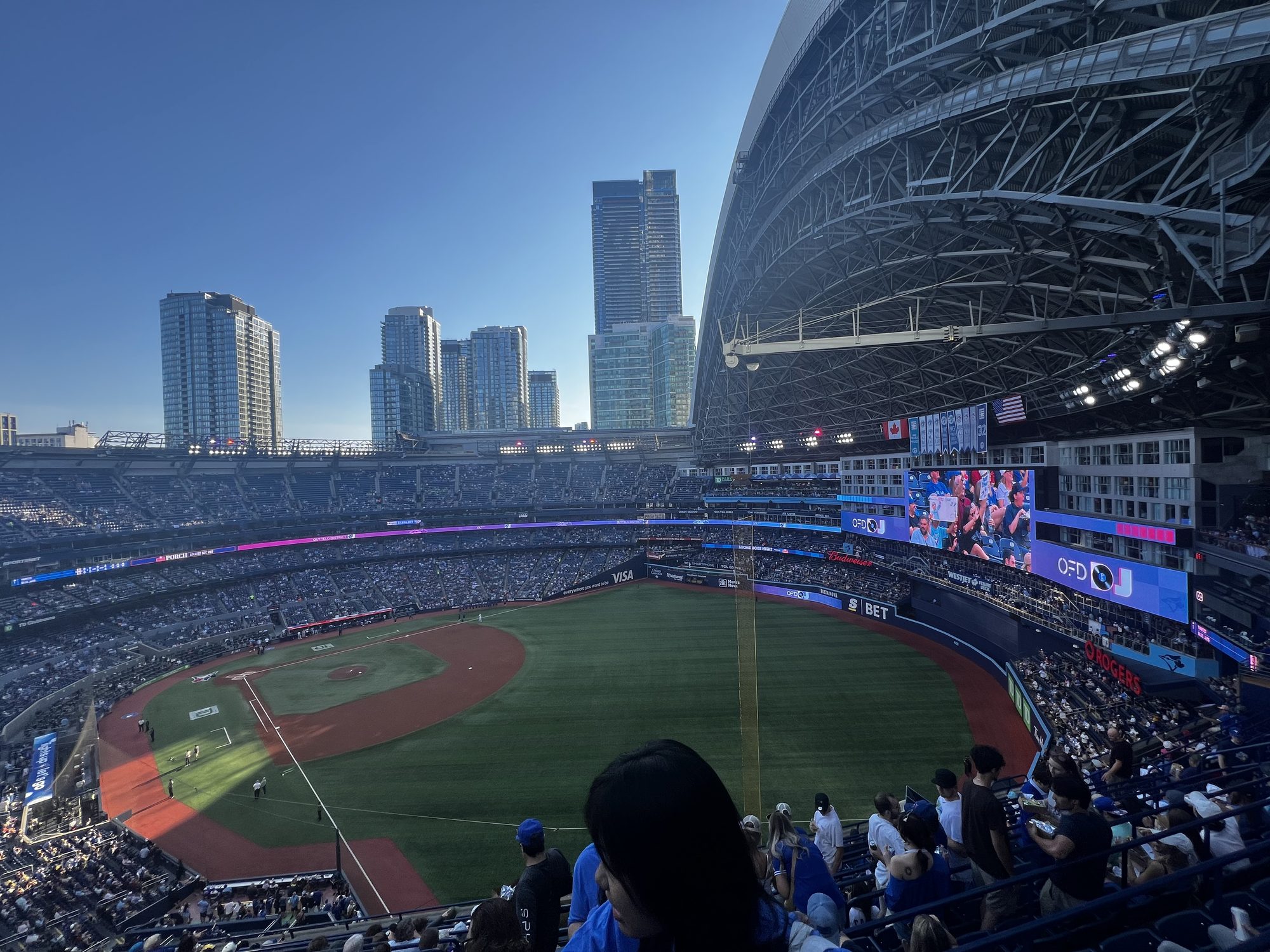
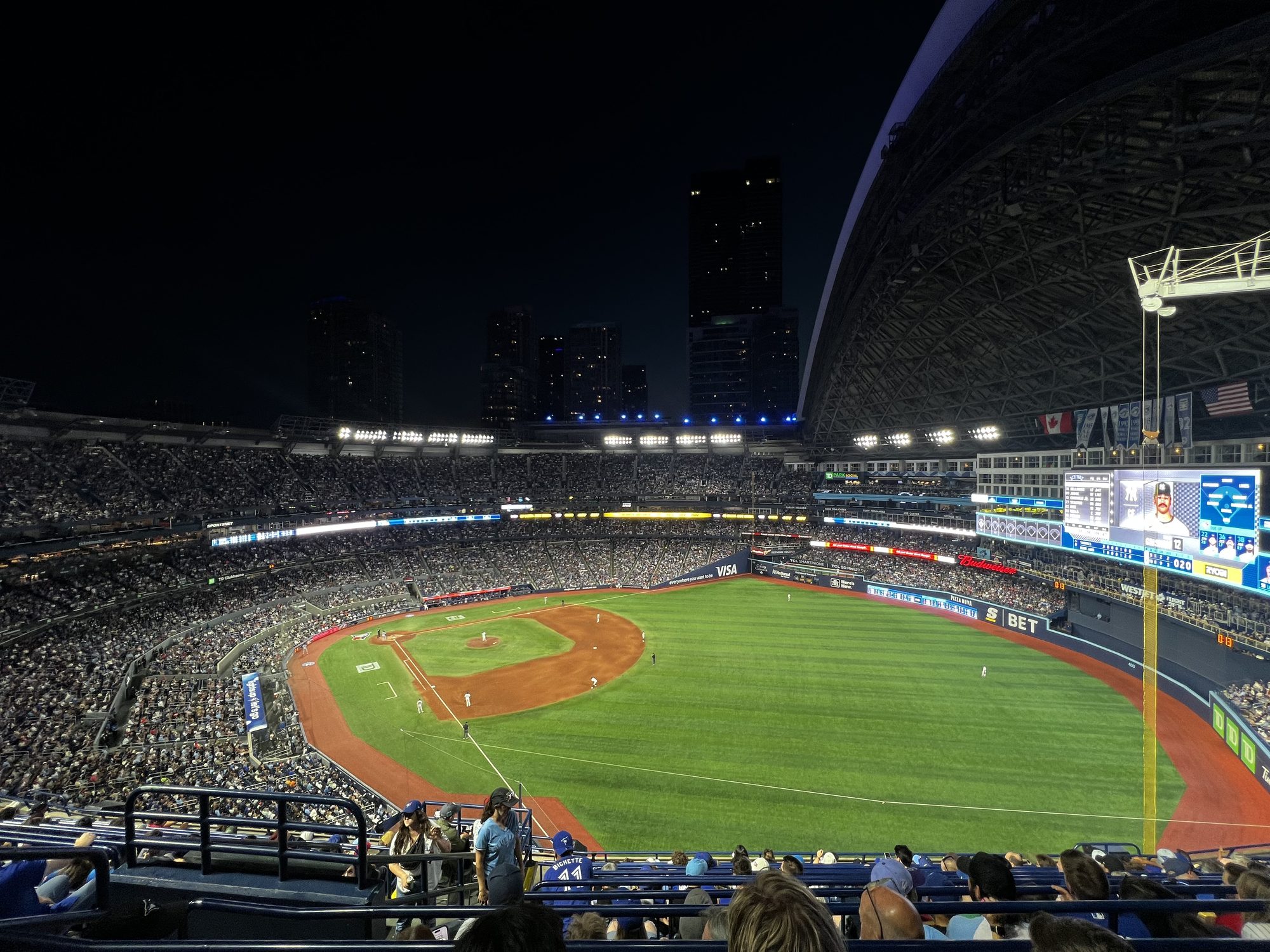
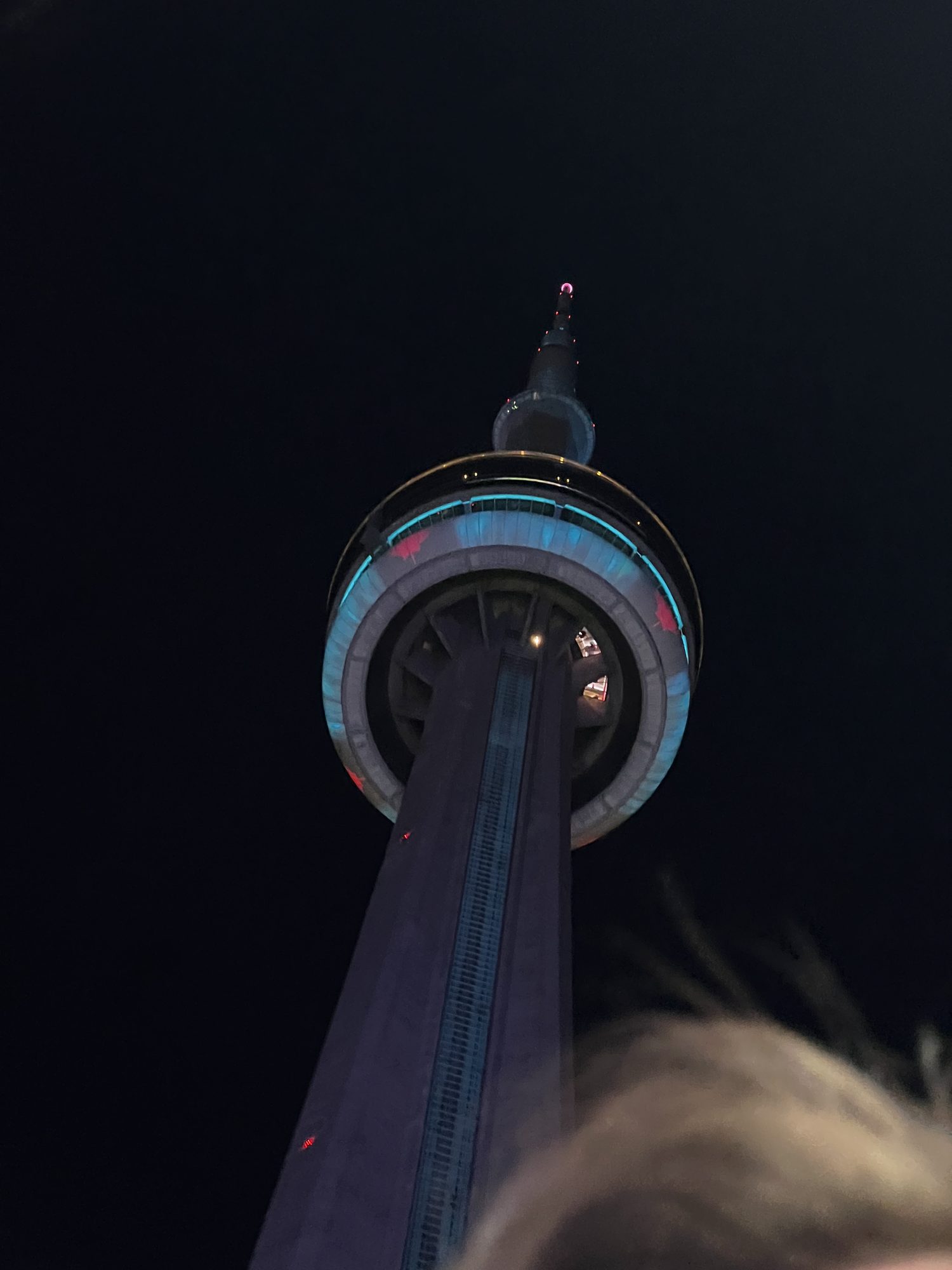
Those trips weren’t filler. They were how a big cohort started to feel like a community, and how students who were shy on the floor still got a way in.